

THEY WENT WHERE THE POWER WAS.
None of these campaigns were designed to impress officials at the start.
They were designed to solve a problem that mattered to the young people. The institutional endorsements that followed, from government ministers to national broadcasters, were consequences of that, not goals.
It turns out that when young people go directly to the source of power with a clear message and a credible plan, power tends to respond.


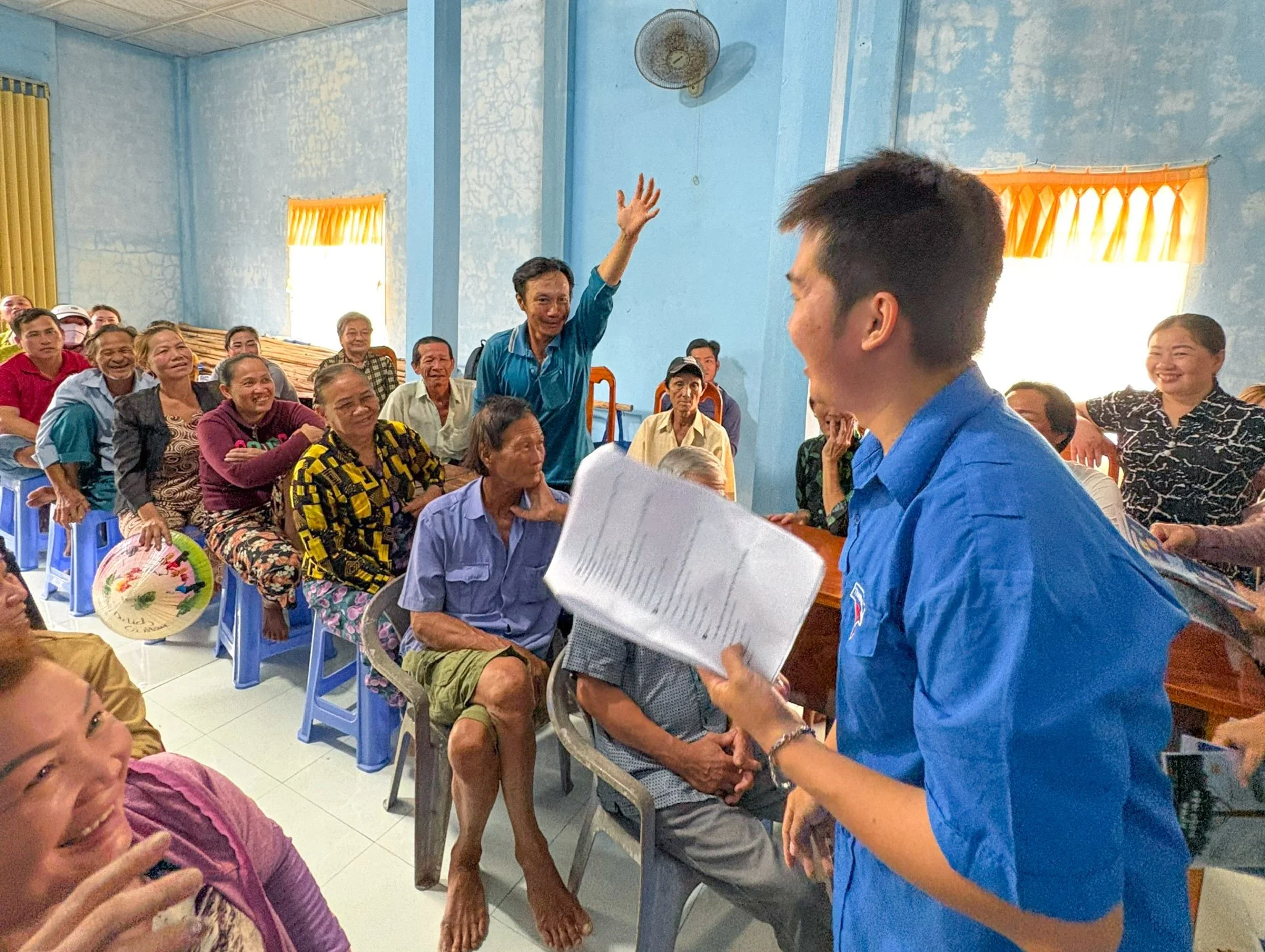
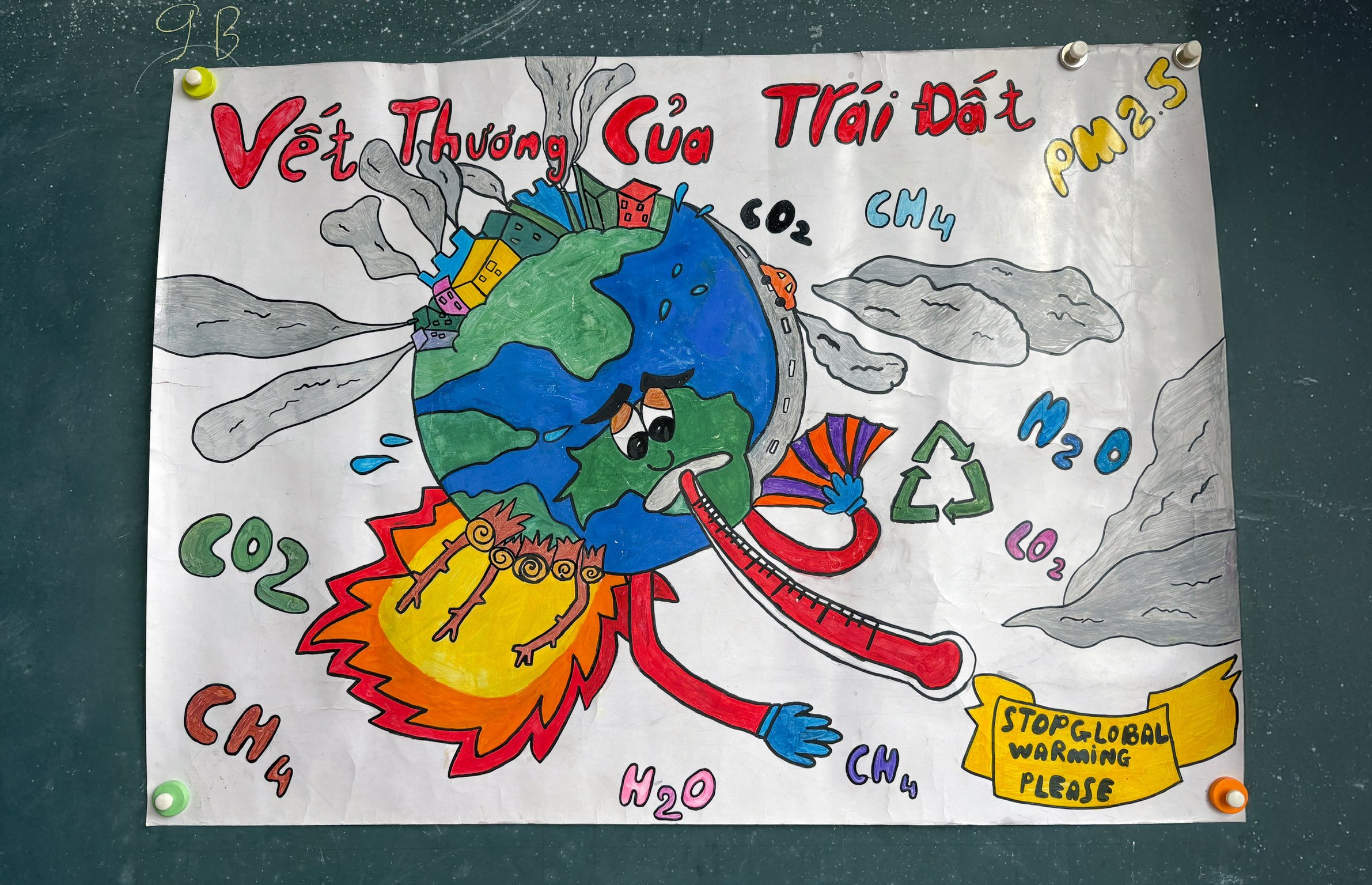
Tam Giang commune in Ca Mau province, Vietnam is a riverine region with fragmented geography that makes travelling between hamlets slow and difficult. However, that didn't stop the 10-member Tam Giang core youth group from reaching all 17 of them. The group included the youngest Shifter, who was just 9 years old in 2025.
Trained in public speaking, community facilitation, and media content development, the group delivered 17 community sessions and 10 school sessions, reaching 952 households and 890 students; and they did so featuring community-friendly imagery and localised messages, proving that technical information about mangroves, carbon credits and sustainable livelihoods can become accessible when creativity meets lived contextual experience.
Their efforts earned them the trust of both local residents and Tam Giang authorities. Later Ca Mau Television with province-wide reach committed to broadcasting the group’s campaign video, which will amplify their messages beyond their campaign period.




"I believe that the role of the Shifter will be paramount in building the Bangladesh of the future."
Upazila Secondary Academy Supervision Officer
"This type of campaign will play a very timely role in building a merit-based nation and an enlightened Bangladesh of the future."
District Primary Education Officer
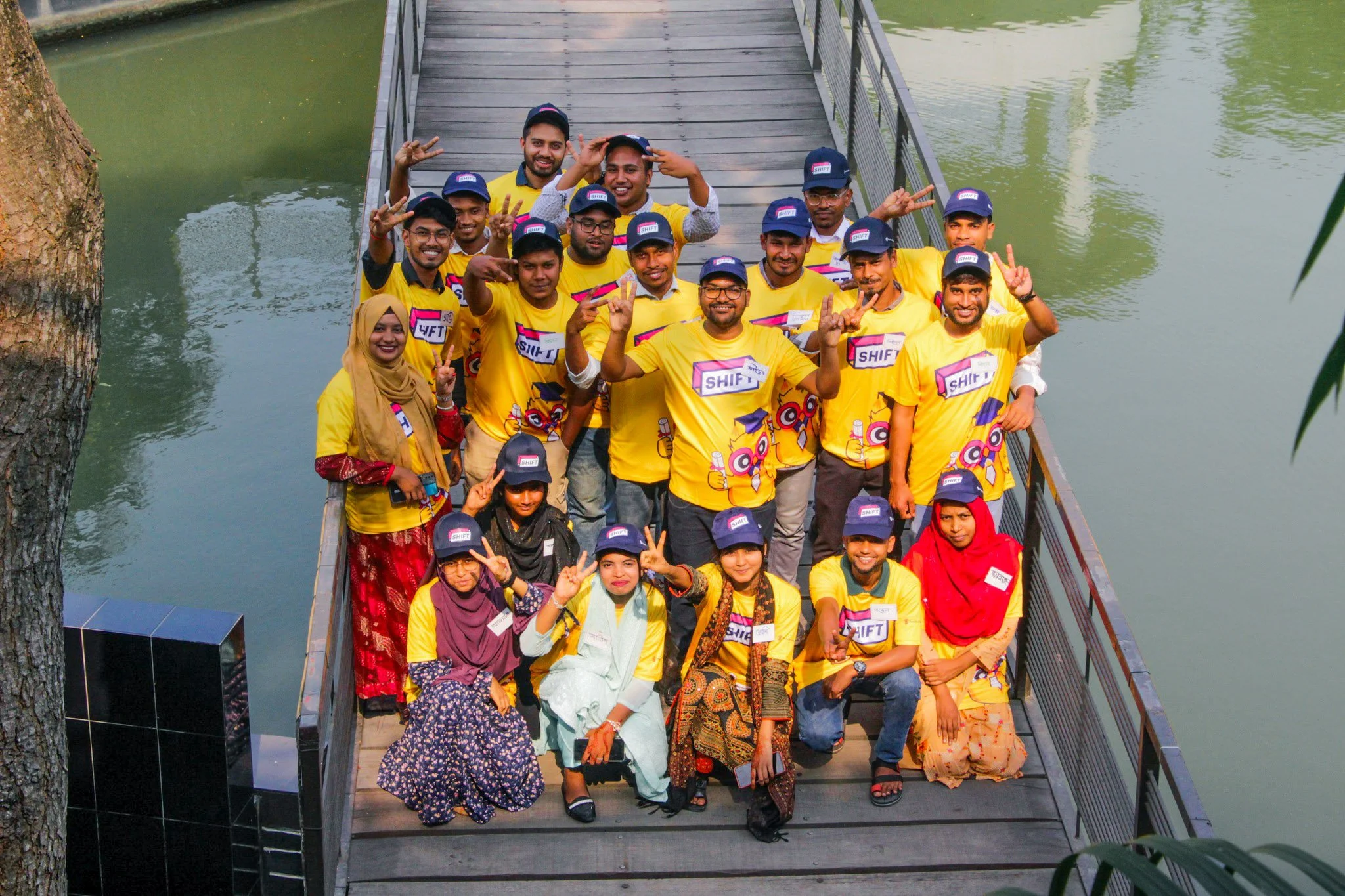
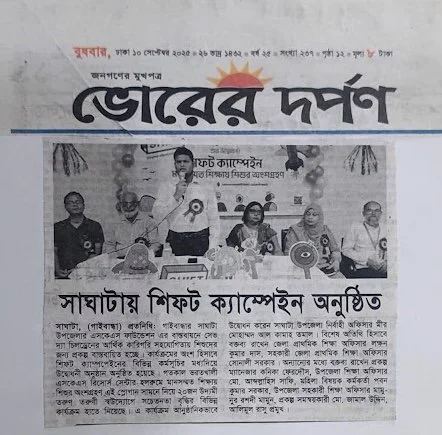
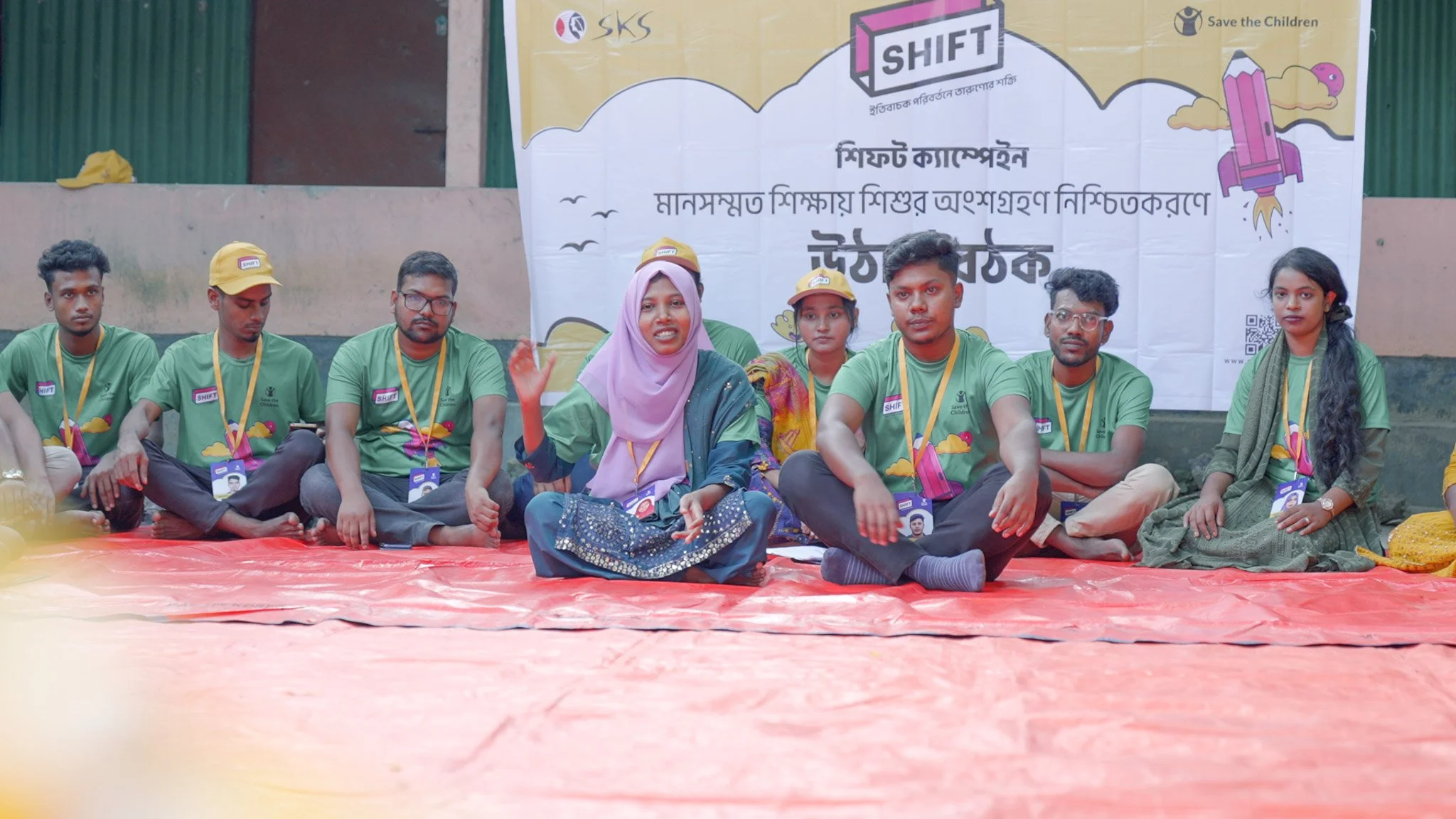
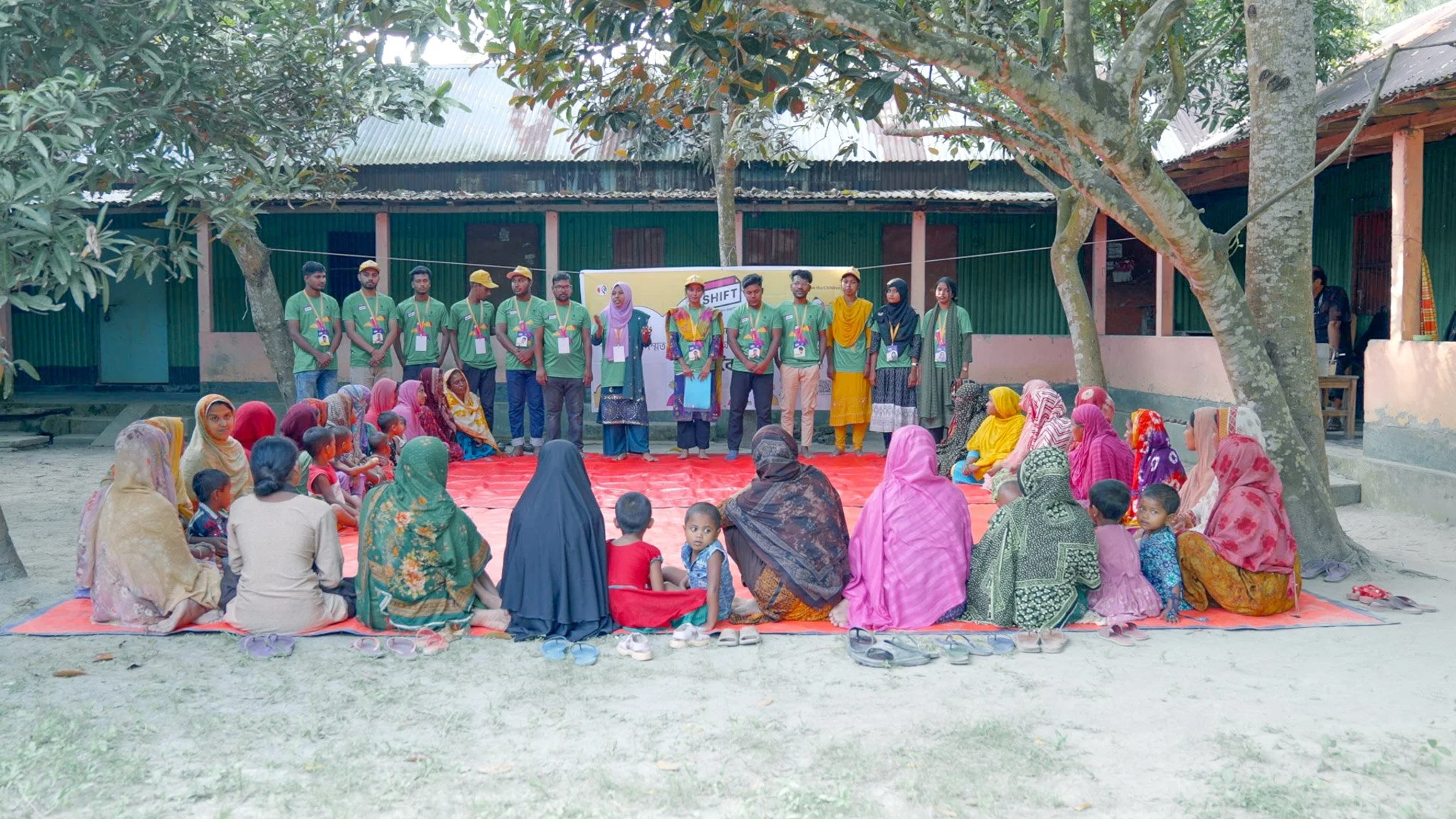
These were some of the endorsements that Dynamic Shifters were able to garner from senior education officials. Although only in their first year, the Shifters’ campaign on increasing the access to quality education reached 10,300 people in person, engaged 54 schools, and conducted 21 courtyard meetings across 10 unions.
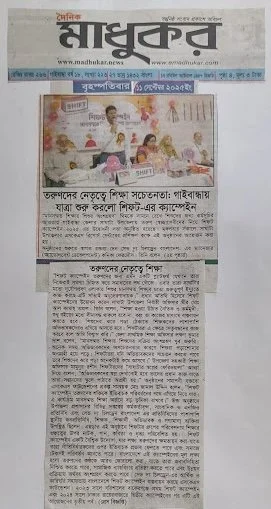
The campaign also received coverage in both local and national newspapers and its social media reach extended to 350,000 people.
First time Shifters. District-level buy-ins.
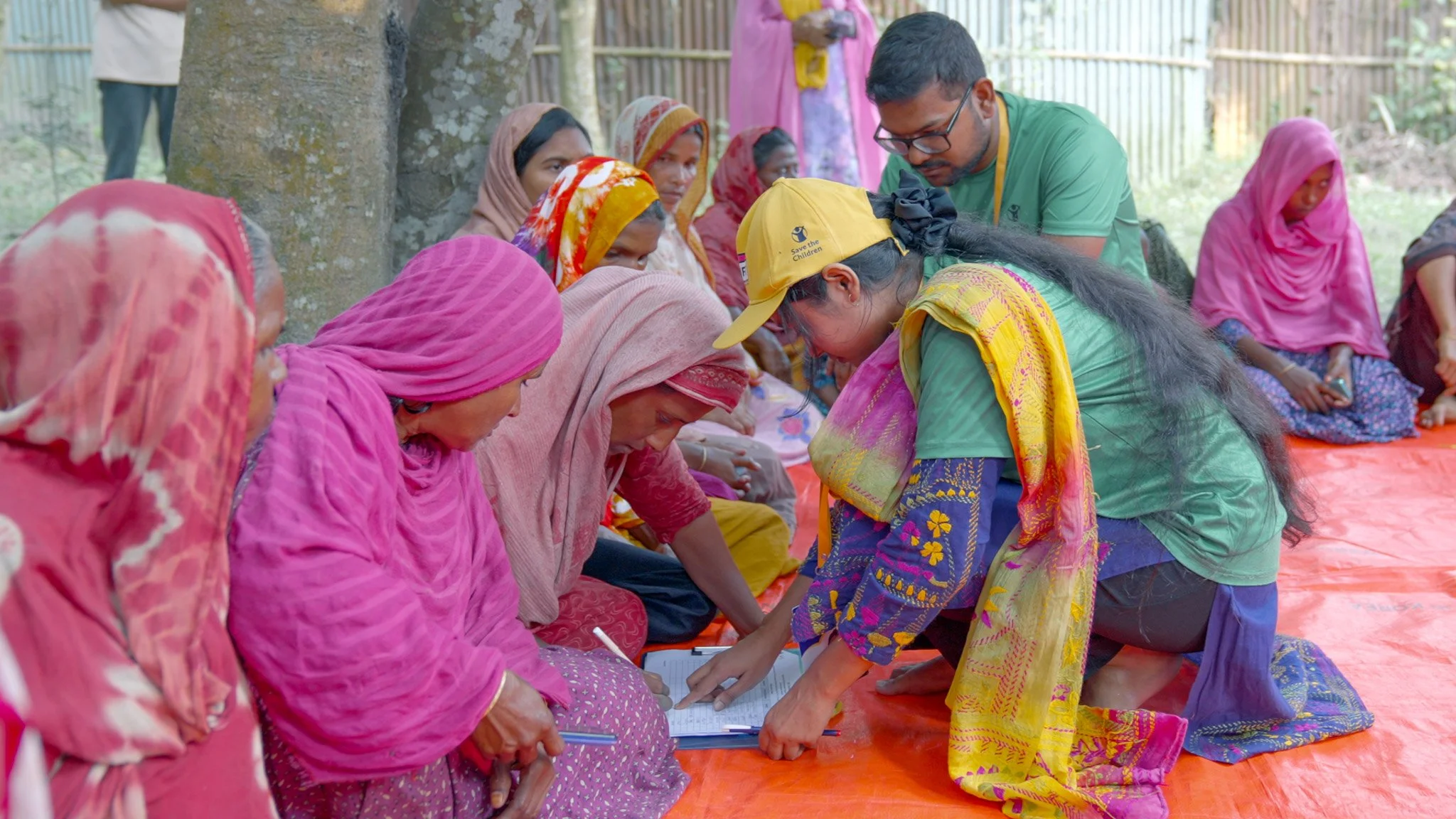
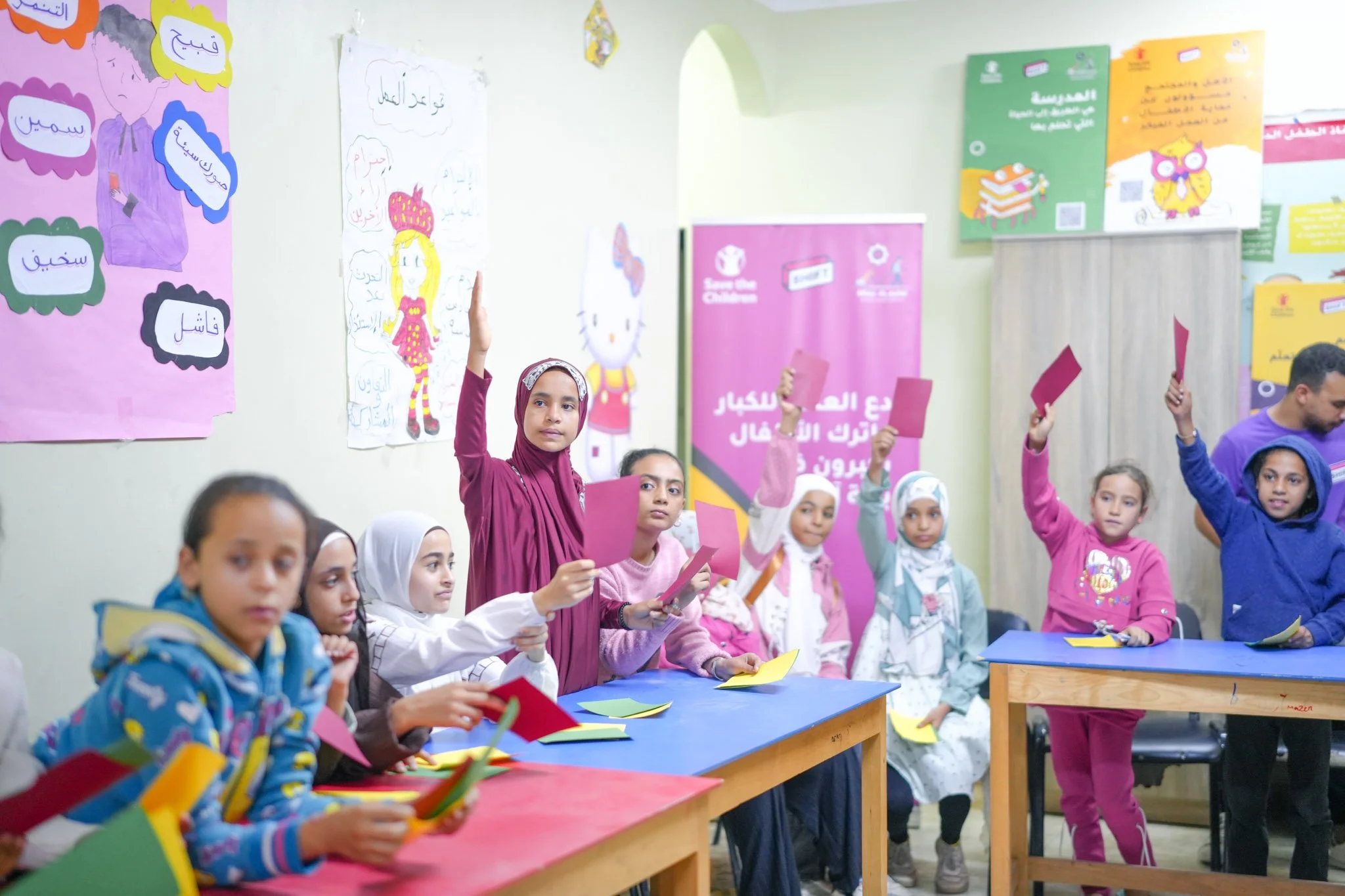

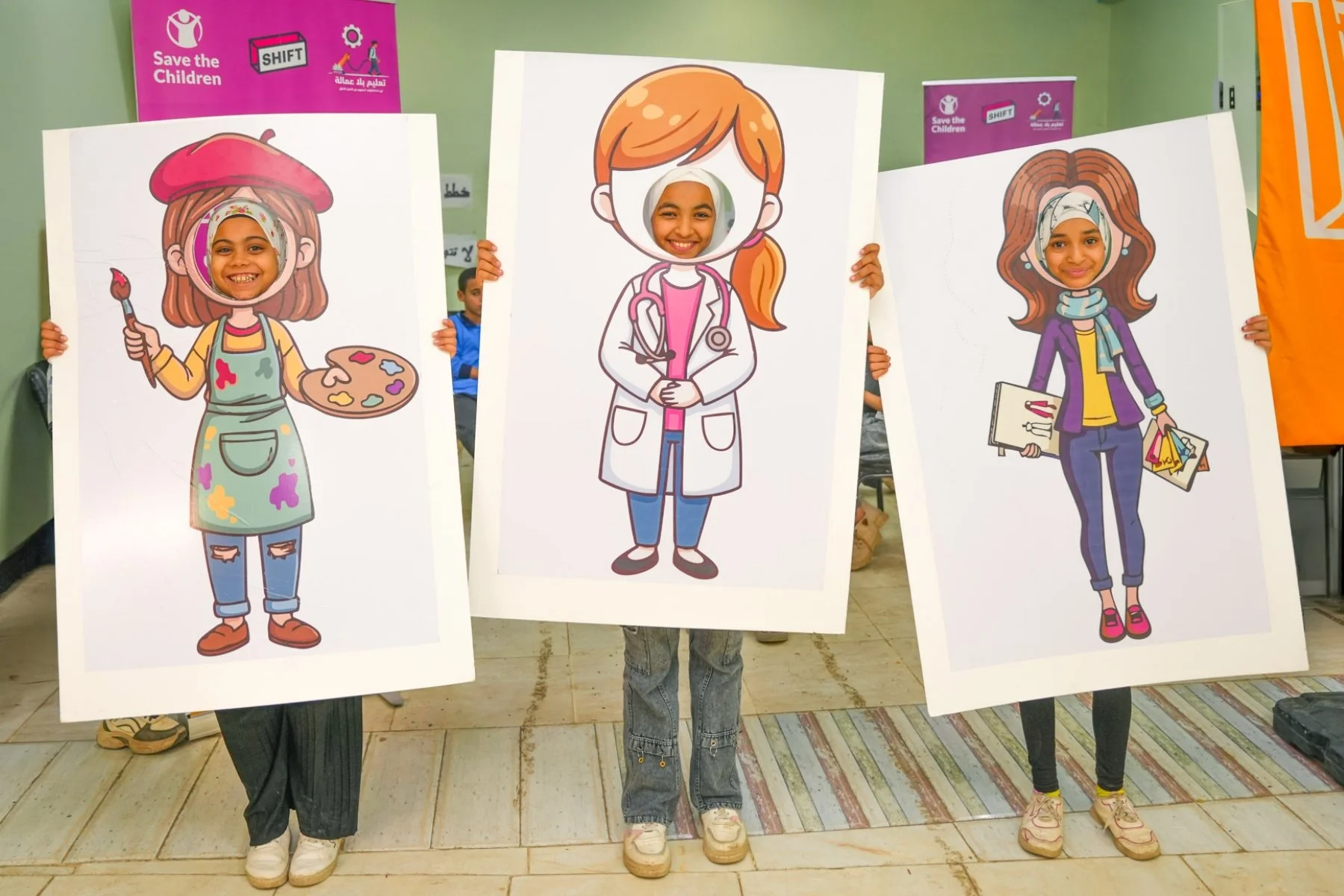
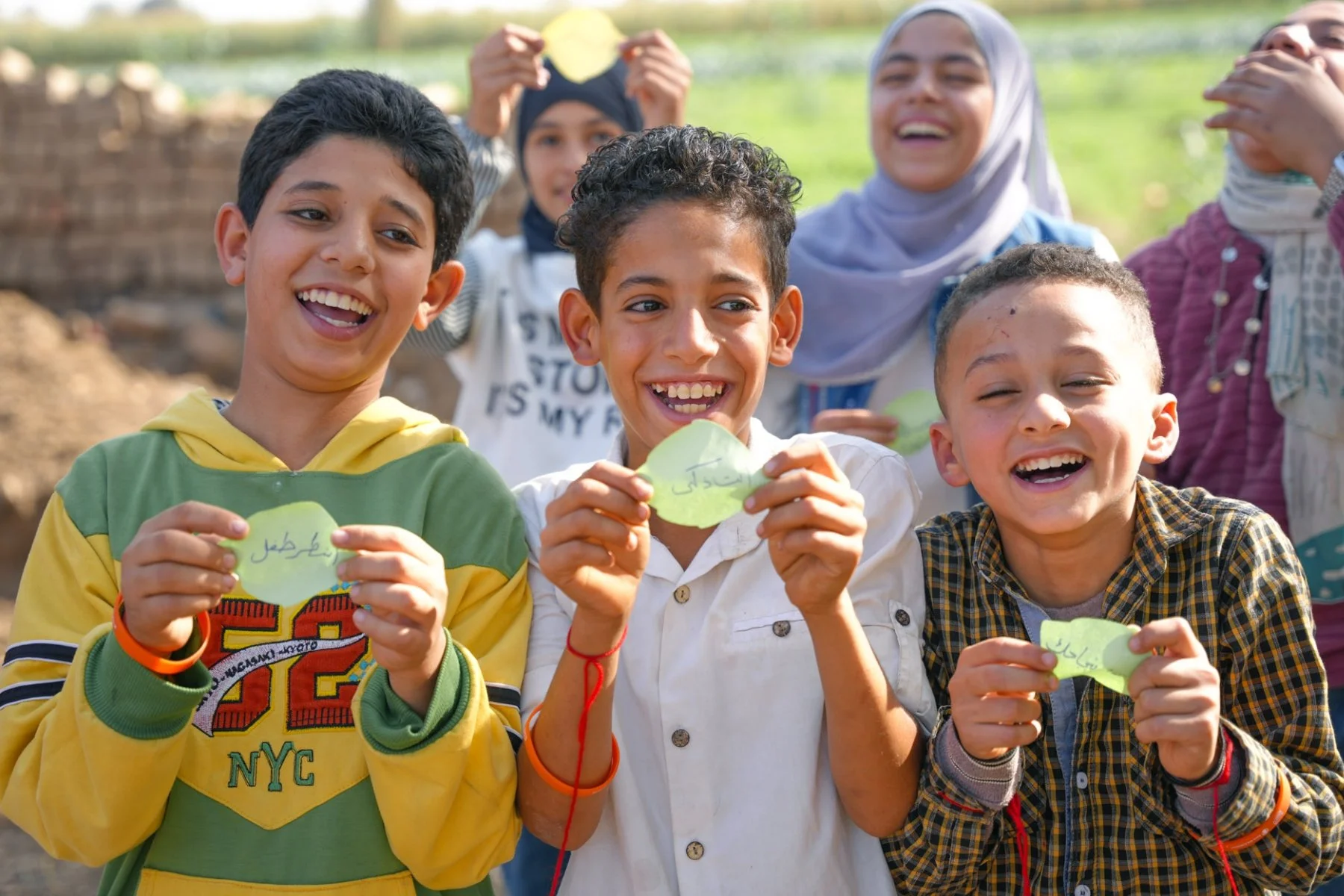
In El Ashmunein village, Egypt, the Shifters didn't stop at community sessions; campaigning against child labour, they identified who actually held power over the problem, and went directly to them.
Within seven months from their initial planning stage, they secured the participation of the Deputy Ministry of Labour at the governorate level, who delivered an awareness seminar to business owners in the village about the risks of employing children.

Magda Salah Fahmy
Deputy Ministry of Labour, Egypt
They also brought in a representative from the Ministry of Social Solidarity to run sessions for parents on the support services available to keep children in school. The involvement of government officials at that level not only amplified the message but changed who was responsible for delivering the campaign messages.
These institutional partnerships proved critical in shifting deeply held beliefs. Many parents had long viewed children's work as necessary income, overlooking its impact on education and safety. The involvement of government officials lent authority to the campaign's message, helping families see that education, not early labor, offered the most sustainable path forward.
This shift was embodied by Sayed, a boy who nearly lost his hand working on a farm and, after being reached by the campaign, returned to school with a promise to prioritize his education:
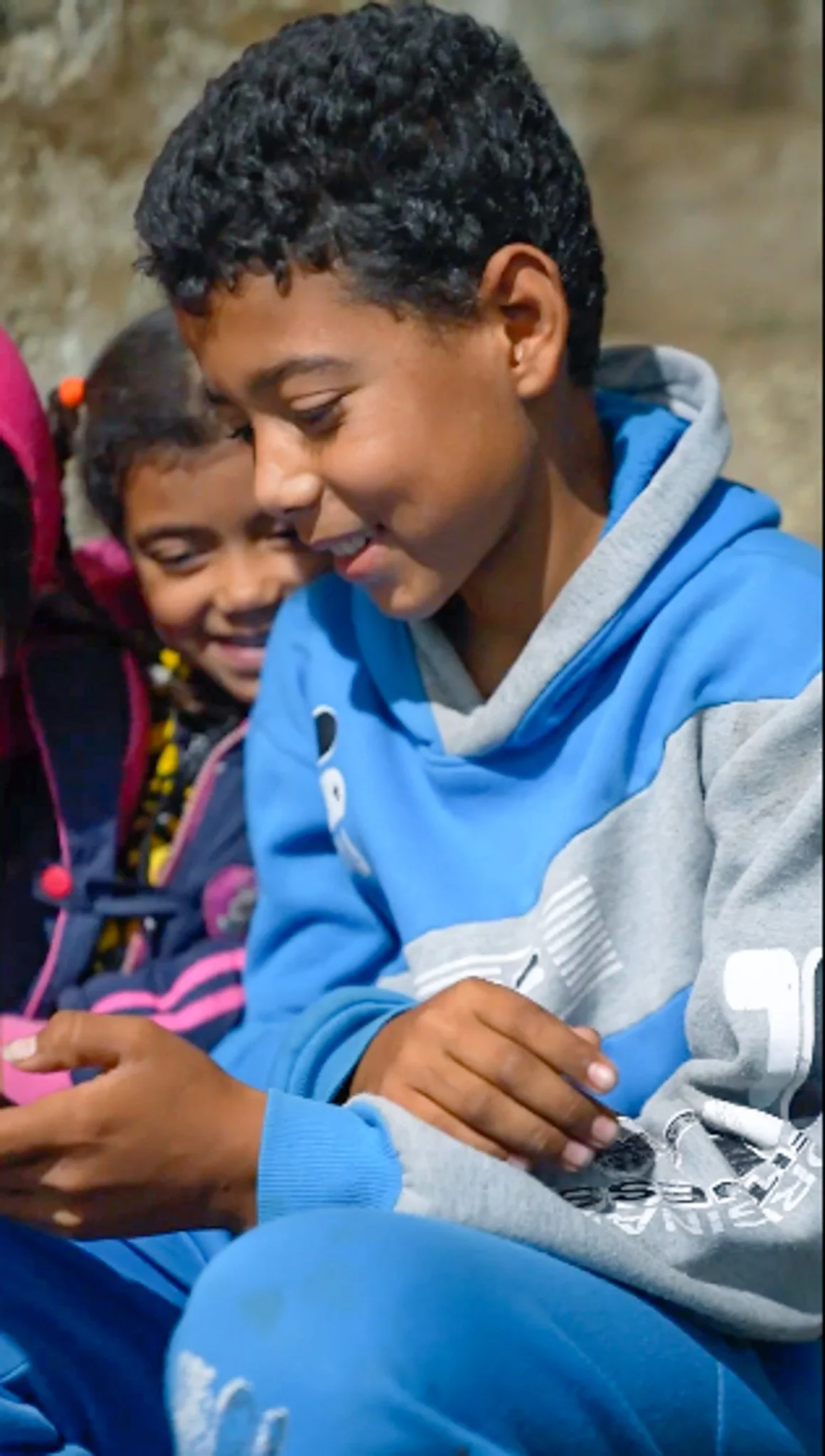
"My parents spent much more money on my treatment than I ever earned from working."
Sayed

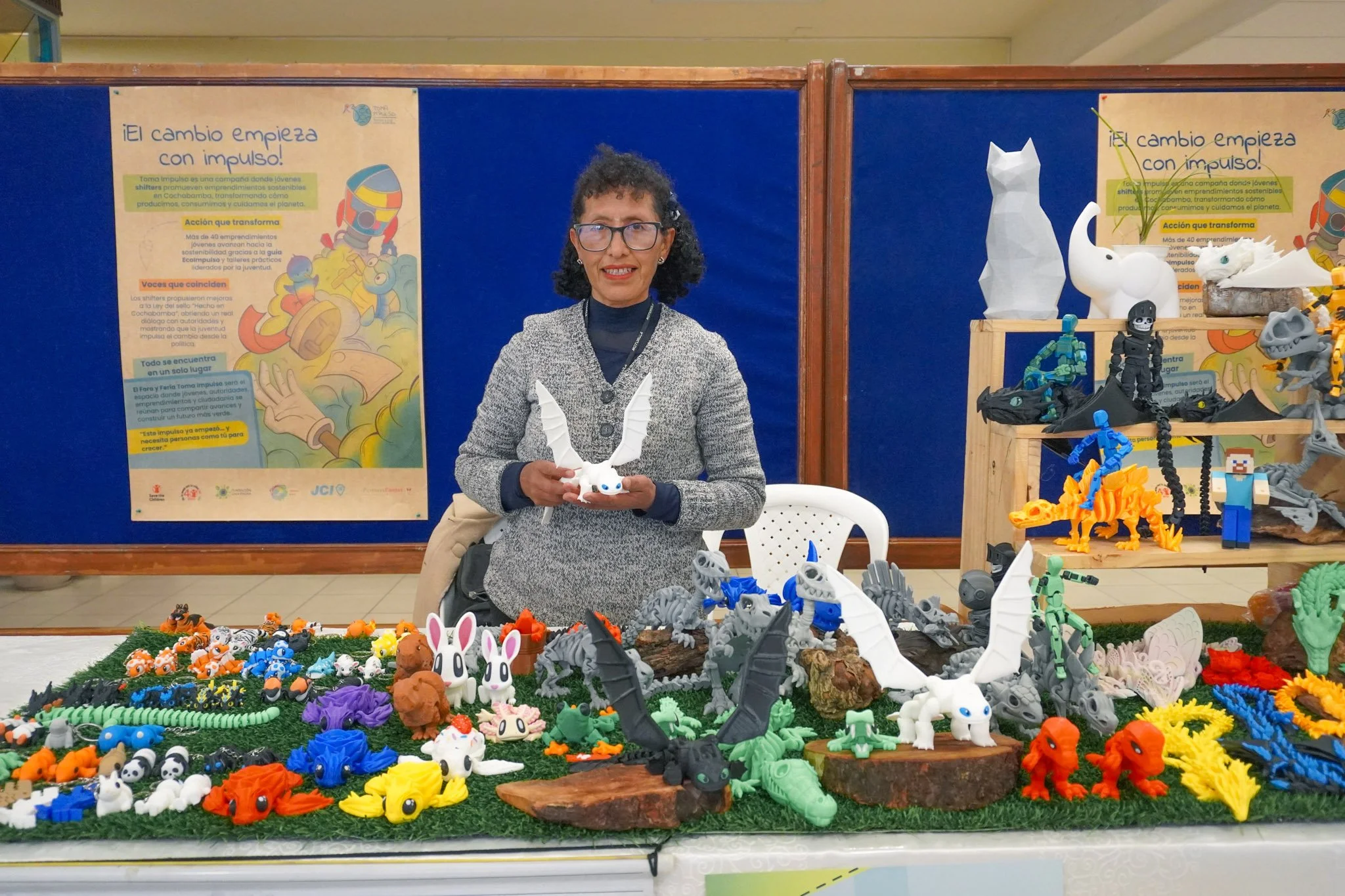
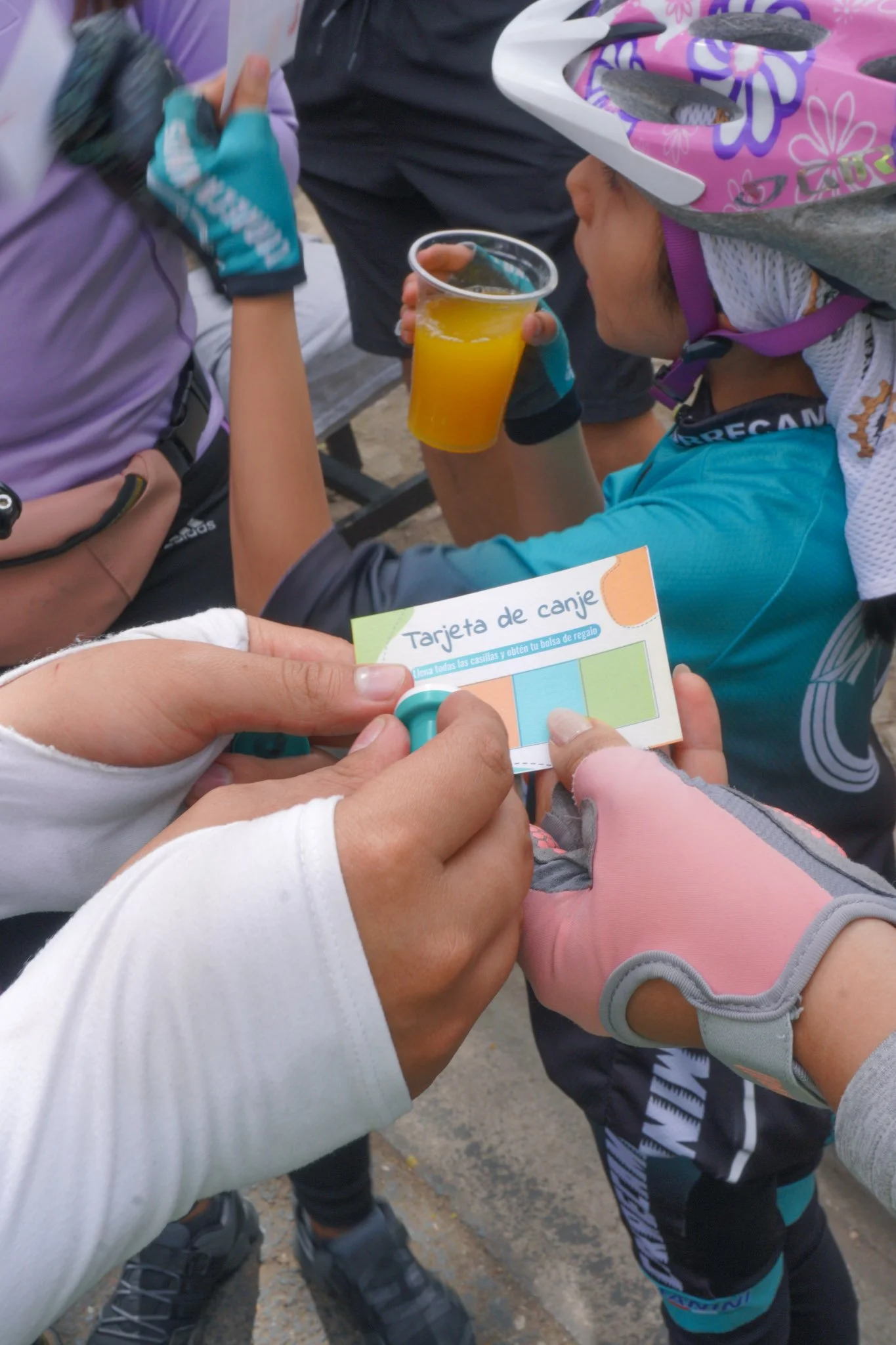
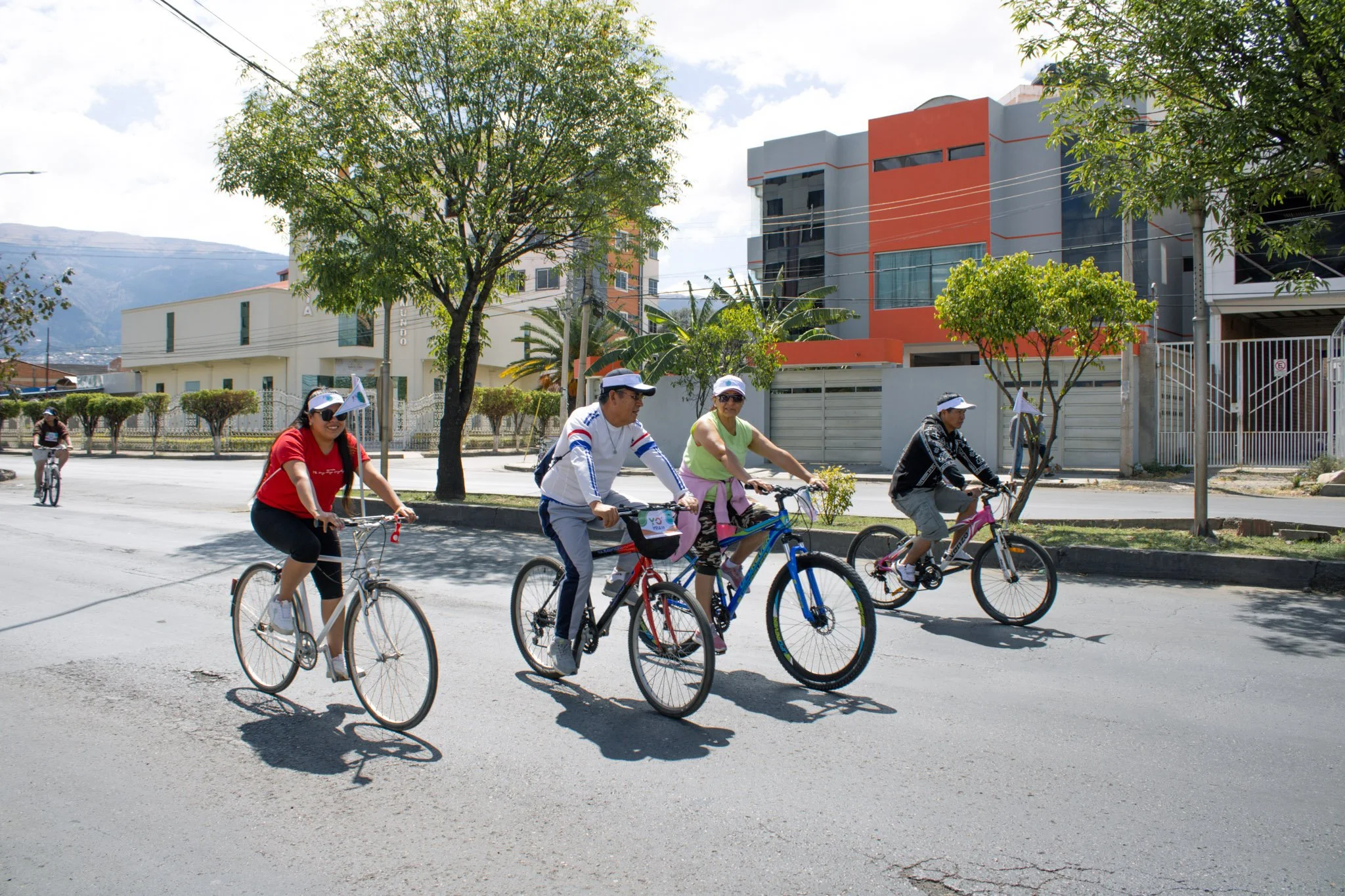
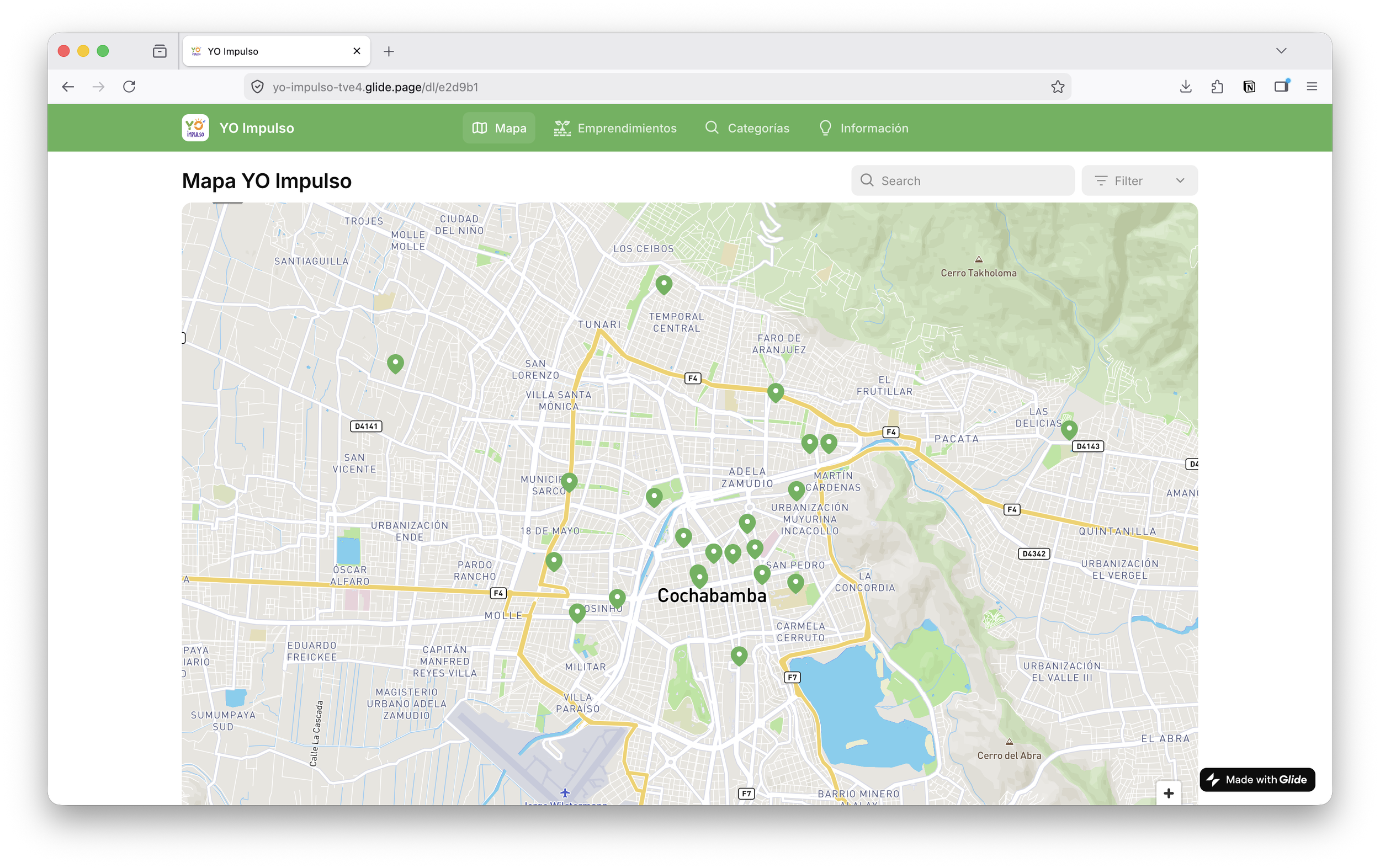
In Cochabamba, Bolivia, the Toma Impulso Shifters took "going where the power was" to the next level.
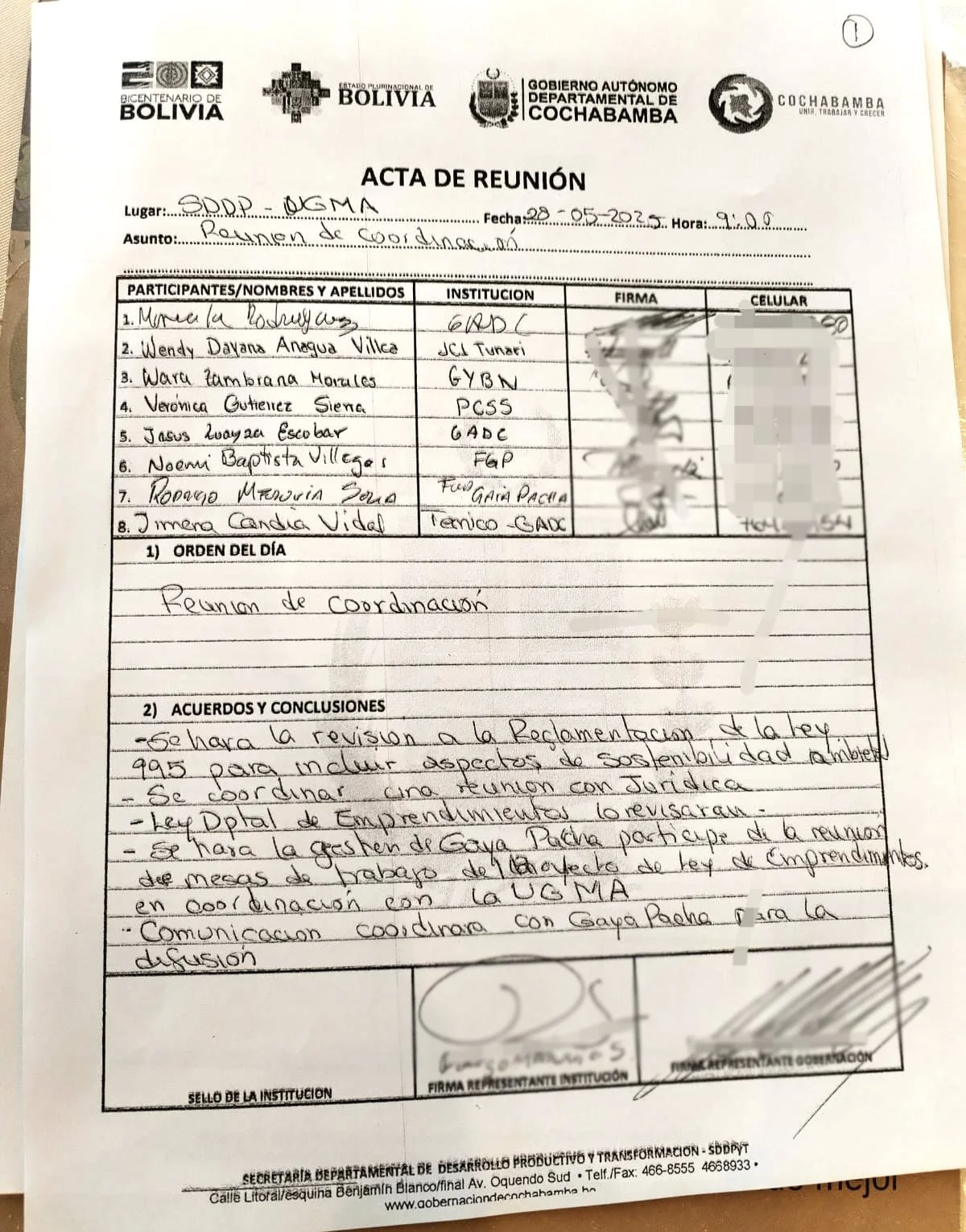
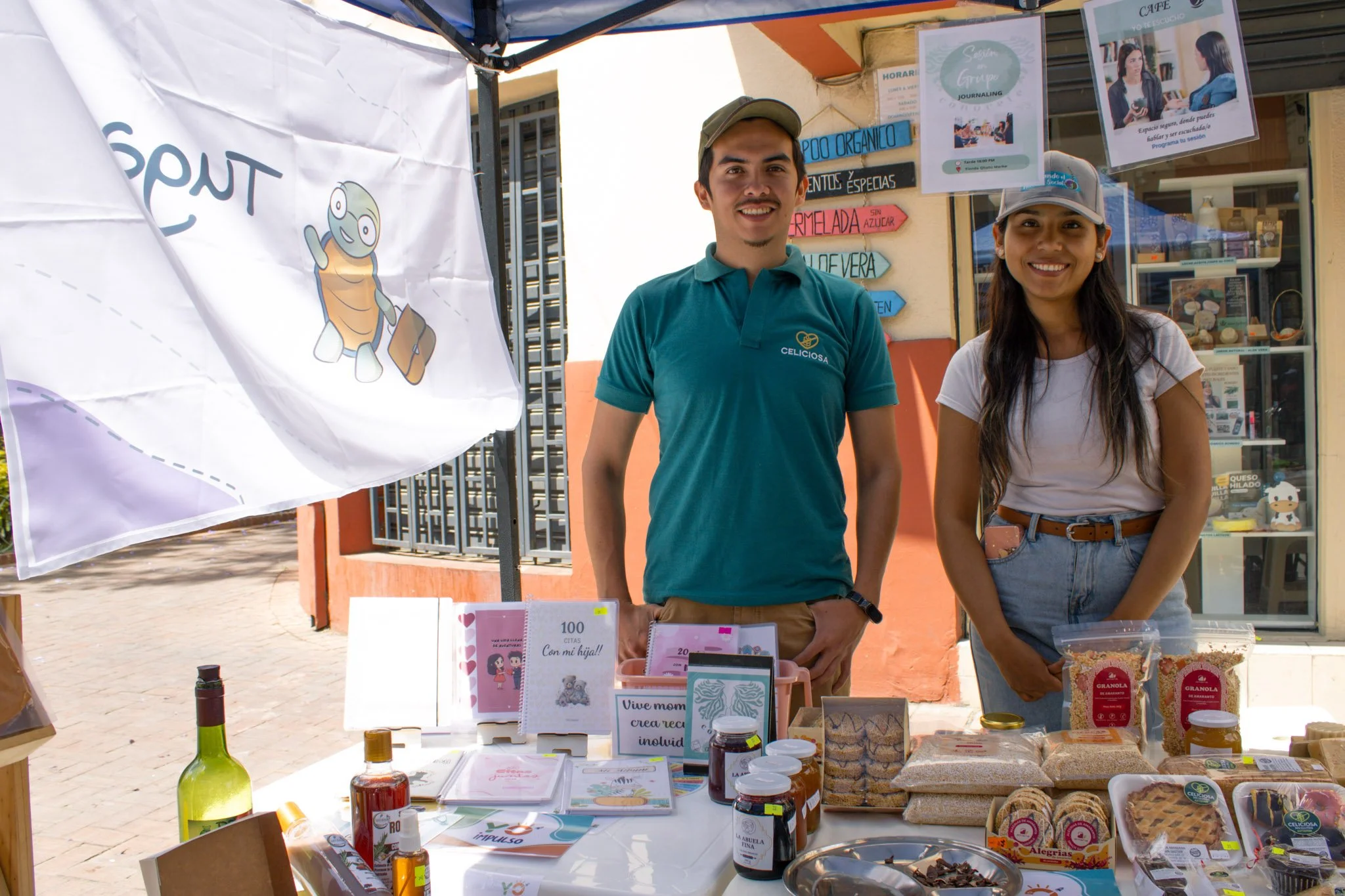
Their issue was green entrepreneurship: the gap between what local businesses knew about sustainable practices and what was required of them by law. Rather than running awareness sessions about the problem, they went directly into the rooms where policy was being written.
Over ten working meetings, Shifters sat alongside decision-makers, civil society organisations, and business leaders to help draft a departmental bill on employability and entrepreneurship, successfully pushing for the inclusion of green production and environmental protection provisions. They went further still, drafting and submitting a formal proposal to the Cochabamba Departmental Government to amend Departmental Law 995, the "Made in Cochabamba" seal, requesting that sustainability criteria including eco-friendly materials, low carbon footprint, and circular economy principles be written into the seal's requirements. Youth organisations, CSOs, and business leaders signed three statements of support for the proposals.




When young people go directly to the source of power with a credible plan, they stop being "just kids" and start becoming partners in governance.
This bold approach to influence is just the beginning; four more game-changing insights from the 2025 cohort will follow that shows how the next generation is rewriting the rules of impact.


2025 Campaigns
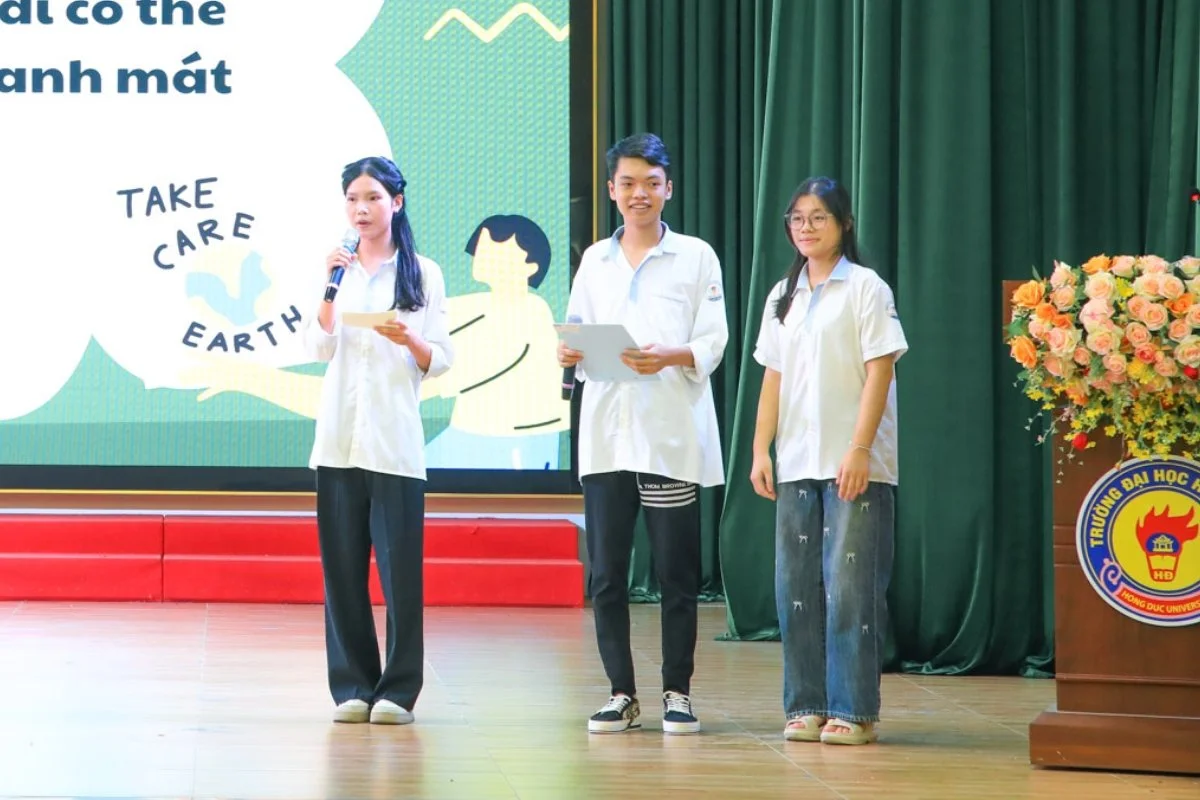













Olá! We are Shifters de KNB, a youth movement focused on breaking the silence around sexual and reproductive health in Nampula City.
Mozambique